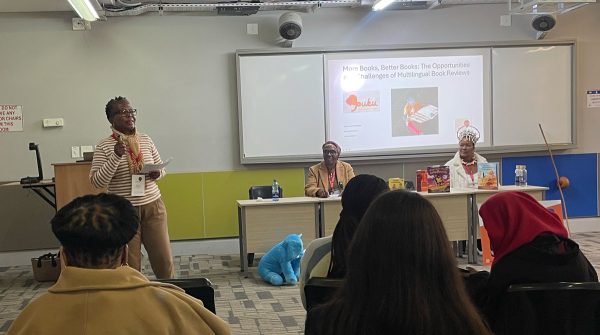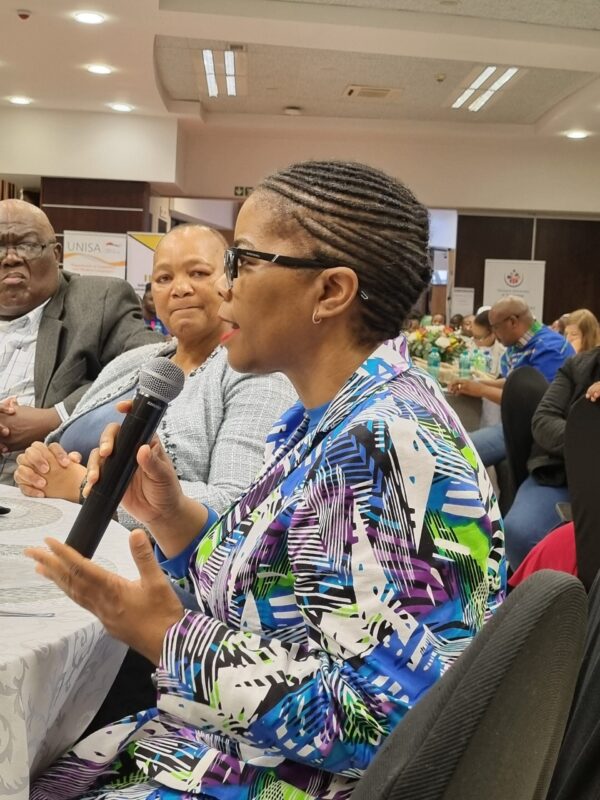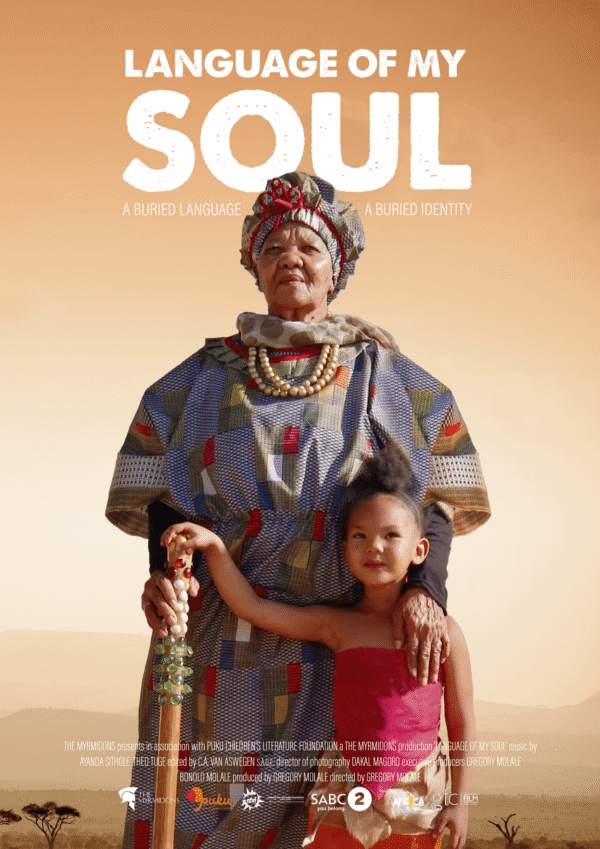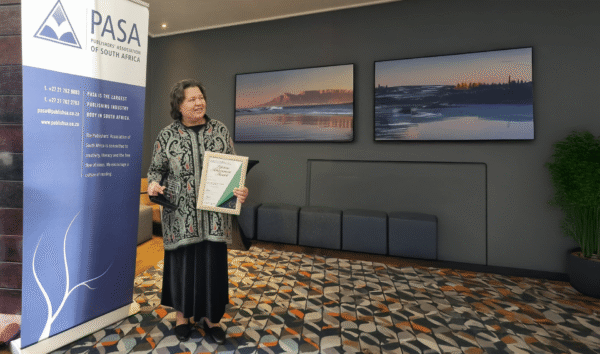

The theme of this year’s Nozincwadi Storytelling and Book Festival is “From the Bones of Memory”. It is an evocative theme for the 10th edition of the festival. When one considers the festival’s international reach, something that founder Gcina Mhlophe says evolved organically since she hosted the event on her birthday in 2008, it is easy to consider how uniquely the theme can be interpreted by storytellers because of their varied diasporic experiences.
Speaking to storytellers working with the oral forms, one quickly realises that the Western education system imposes a hierarchy of importance of one storytelling form over another.
For Mhlophe, the festival, which started as a literacy campaign and has morphed into a combination of the literary and oral forms, emphasis is placed on both, because “I live and breathe the written word and oral tradition”.
For someone like Philippa Kabali-Kagwa, the oral and the written forms are equally important, because they bring different skills to the table and using both of them is important.
“A lot of parents say they don’t know how to tell stories or they have forgotten how to do that,” says Kabali-Kagwa. “But I think school, a lot of times, silences that. There’s a great focus on Western stories and there’s a great focus on reading.

“But what they don’t realise is that the oral tradition of storytelling is very helpful towards reading because of what it does. It’s my imagination as a storyteller connecting with your imagination as a reader. If in the story I say ‘There was once a very, very tall tree and under the tree was a hut’, that tall tree you imagine might not be the same tree that I imagine, but you imagine a tall tree and you imagine a hut and you imagine what the people do and you hear what the people do.
“If I say he had big, black hair and a voice like thunder, you imagine that. What happens then is that you begin to create these pictures, and when you read a story you read it with expression because you have heard language.”
Although the oral forms have to live side by side with technology, Kabali-Kagwa believes they are not under threat as such, because storytelling is an integral part of what makes us human.
“A lot of people don’t use the form nowadays,” she says. “I don’t think a cellphone beats being in the presence of someone who is telling you a story. But there is space for all types of storytelling. One of the things we have done in Cape Town is set up Story Club Cape Town every last Wednesday of the month. We have an open mic for the first hour. For the second hour we have a storyteller performing. You are not allowed to read, so you have to perform the oral tradition. We have been going for four years and people come every month. We often get new people, young people and old people.”
Storytelling is an integral part of what makes us human
As part of this year’s Franschhoek Literary Festival, Kabali-Kagwa says she was part of a team of about 10 storytellers who went out to primary and high schools in the area. The outreach was a roaring success.
“I don’t think the art [of oral storytelling] is dead. As human beings we are story beings; we make sense of our worlds through stories.”